Google's China Strategy Shifts Ripple Through AI Supply Chains, Eyeing TSM
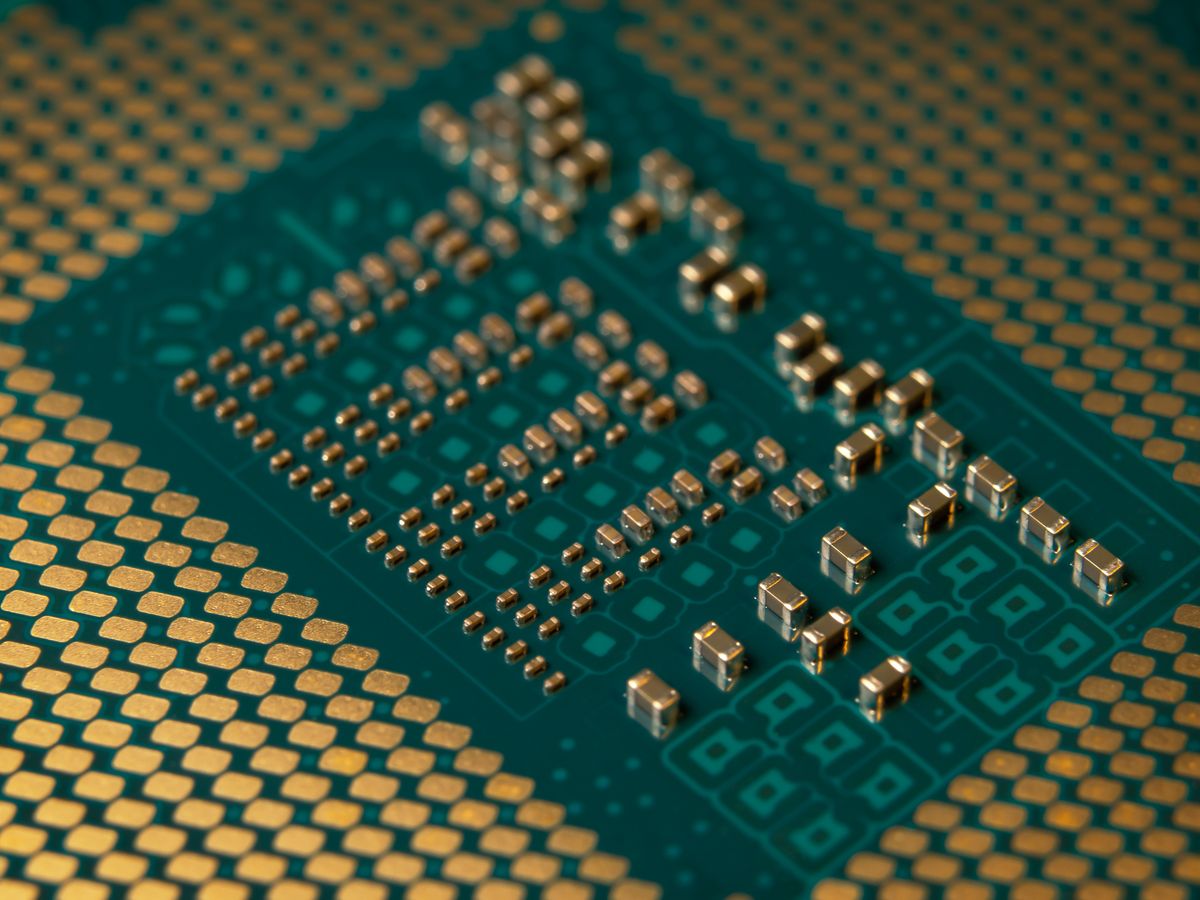
Strategic shifts by global technology giants, particularly Google's evolving approach within major markets like China, are drawing sharpened attention to the intricate dependencies of the worldwide technology supply chain. These adjustments carry the potential to profoundly influence global market dynamics, underscoring the critical role of foundational hardware providers. At the heart of this unfolding scenario lies Taiwan Semiconductor Manufacturing Co. (TSM), the world's preeminent contract chipmaker, whose advanced manufacturing capabilities are indispensable for powering the next generation of artificial intelligence. The Financial Times recently highlighted these connections in an article titled 'Google’s China shift and the battle over AI models,' articulating how the intensifying competition over AI models is shaping future technological leadership and investment across the entire AI sector.
Taiwan Semiconductor Manufacturing Co., headquartered in Hsinchu, Taiwan, operates as the globe's largest dedicated independent semiconductor foundry. Its business model centers on manufacturing chips designed by other companies, a pivotal service that underpins the operations of virtually every significant technology entity, from smartphone makers to cloud computing providers and leading AI developers. TSM’s unparalleled expertise in producing cutting-edge silicon, particularly at sub-5 nanometer process nodes, positions it as an essential partner for companies pushing the boundaries of AI. These advanced chips, characterized by their high performance, energy efficiency, and intricate architectures, are the bedrock for training and deploying sophisticated AI models. TSM’s strategic importance within the AI hardware and cloud ecosystem is thus undeniable; its capacity and technological prowess directly impact the pace of AI innovation and commercialization worldwide.
Key Developments and Facts
The convergence of geopolitical considerations, market strategy re-evaluations, and the relentless pursuit of AI superiority defines the current technological . The following points illuminate the core dynamics at play:
- The Financial Times recently published an article titled 'Google’s China shift and the battle over AI models,' bringing into focus the complex interplay between strategic market decisions and the broader implications for the global technology industry.
- Google's evolving market strategies, particularly within major economies such as China, possess the capacity to significantly reshape established global technology supply chains and alter competitive market dynamics across various sectors.
- The ongoing and intensifying competition over artificial intelligence models stands as a central determinant for establishing future technological leadership and directing investment trajectories throughout the entire AI sector.
- Taiwan Semiconductor Manufacturing Co. (TSM) maintains its pivotal position within this dynamic environment, providing the indispensable advanced silicon infrastructure required for both current and next-generation AI model development and deployment.
Business and AI Industry Impact
The strategic shifts undertaken by companies of Google’s stature, particularly in critical markets like China, send reverberations throughout the entire technology supply chain, with TSM at the nexus. For TSM, this translates into a heightened focus on capacity planning and technological leadership. Any significant reorientation of demand for advanced computing components—whether a shift in volume, a change in chip architecture requirements, or a re-prioritization of specific process nodes—directly impacts TSM’s order books and long-term capital expenditure strategies. The competition over AI models, in particular, drives relentless demand for increasingly powerful and specialized processors, such as AI accelerators and custom silicon, all of which fall squarely within TSM's manufacturing wheelhouse. This ensures a consistent, albeit evolving, stream of demand for its most advanced fabrication services.
Moreover, the geopolitical dimension cannot be overstated. As Google navigates complex international relations, especially concerning technology flows and data sovereignty in China, the implications for supply chain resilience become paramount. TSM, as a sole source for many leading-edge chip technologies, is uniquely exposed to these dynamics. Its operational stability and strategic positioning are often viewed through the lens of global economic and political stability, particularly given its location. Any re-evaluation by major clients like Google regarding their market footprint or their reliance on specific supply chain configurations necessitates TSM to demonstrate agility in its client engagement and production strategies, ensuring continuity and flexibility for its diverse customer base.
The "battle over AI models" translates into an arms race for computational power. Companies developing large language models and other sophisticated AI systems require chips with unprecedented processing capabilities, memory bandwidth, and power efficiency. This fuels TSM's research and development into next-generation process technologies, pushing the boundaries of physics to pack more transistors onto a silicon wafer. TSM's ability to consistently deliver on these fronts is not just a business advantage; it is a fundamental enabler of AI innovation globally. Its manufacturing roadmap, therefore, becomes a critical bellwether for the future trajectory of AI capabilities. Investment flows into AI, driven by the prospect of technological leadership, consequently translate into sustained demand for TSM's high-margin, leading-edge silicon.
For TSM’s other customers and competitors, Google's actions serve as a signal. Other AI developers and cloud providers observe how strategic adjustments by a market leader might necessitate their own shifts in hardware procurement, supply chain diversification, or market focus. This could intensify competition for TSM’s limited leading-edge capacity, potentially leading to increased pricing power for the foundry, or it could spur greater investment in alternative manufacturing strategies, although viable alternatives for advanced process nodes remain scarce. The competitive for AI hardware is thus dynamically linked to these broader strategic market maneuvers, with TSM serving as a central, stabilizing, yet deeply interconnected pillar.
What Comes Next
Looking ahead, the interplay between major tech companies' strategic market adjustments and the relentless pursuit of AI superiority will continue to define TSM's operational . Investors and industry watchers will closely monitor the specifics of Google's evolving global strategy, particularly any discernible shifts in its hardware design mandates or geographic manufacturing preferences. Such details, once public, could provide more granular insights into future demand for specific types of advanced chips, directly impacting TSM’s fab utilization rates and revenue forecasts.
Continued investment in next-generation process technologies remains a core pillar of TSM’s strategy. As AI models grow exponentially in complexity, the demand for even more sophisticated and efficient silicon will only intensify. TSM's progress on its 3nm, 2nm, and even sub-2nm nodes will be a key indicator of its long-term competitive positioning and its ability to continue enabling the forefront of AI innovation. The company’s capital expenditure announcements and technology roadmaps will provide crucial context for the broader AI sector's hardware future.
Furthermore, the geopolitical environment surrounding semiconductor manufacturing will remain a critical factor. Policy developments in major economies, particularly those affecting trade, technology export controls, or domestic chip production incentives, could influence TSM's strategic decisions regarding factory locations and customer allocations. The ongoing "battle over AI models" implies a continuous, escalating demand for TSM’s services, but the pathways to meeting that demand are increasingly shaped by complex global factors beyond mere technological capability. TSM’s ability to navigate these currents will be paramount to its sustained success and its continued, indispensable role in powering the AI economy.


Comentários
Postar um comentário