Japan Boosts Rapidus in AI Chip Race, Eyeing TSM's Dominance
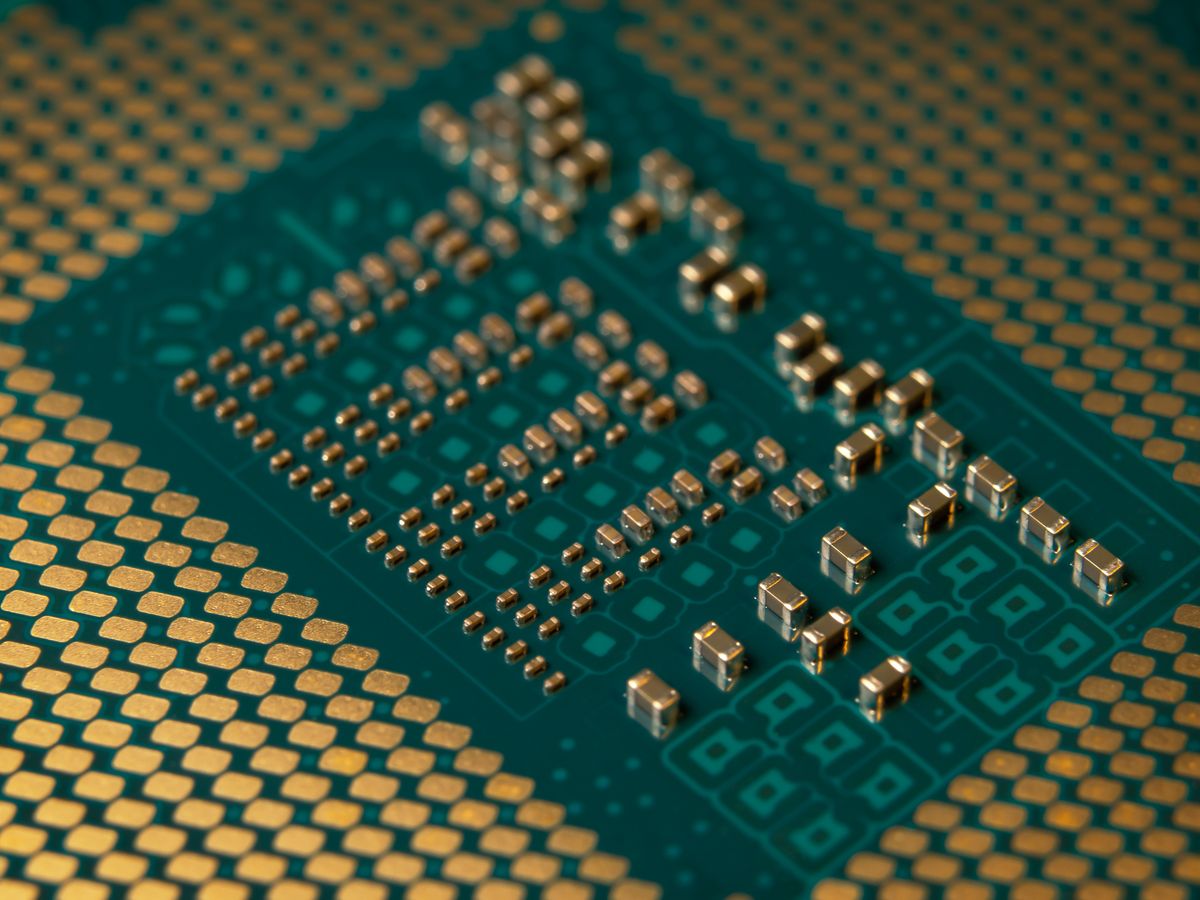
Japan has earmarked an additional US$944 million for Rapidus, its domestic semiconductor manufacturing venture, signaling a concerted national effort to establish a foothold in advanced chip production. This latest capital injection is specifically designated to accelerate Japan's participation in what officials are calling the 'AI chip race,' a global strategic competition for leadership in the high-performance semiconductors indispensable to artificial intelligence development.
Taiwan Semiconductor Manufacturing Co. (TSM), the world's largest contract chipmaker, currently holds an unparalleled position at the apex of this very market. TSM fabricates the vast majority of advanced processors that power modern AI, including the specialized GPUs and accelerators from companies like Nvidia and AMD. Its proprietary manufacturing processes, particularly in sub-5nm nodes, are considered critical infrastructure for the global AI hardware and cloud ecosystem, making it an indispensable partner for nearly every major technology firm. TSM's dominance stems from decades of investment in research and development, scale, and operational excellence, enabling it to produce chips with precision and efficiency that few others can match.
Key Developments and Facts
The recent financial commitment underscores a growing global trend towards diversifying and localizing advanced semiconductor supply chains, a direct response to geopolitical tensions and the increasing strategic importance of cutting-edge chip technology.
- Japan has officially allocated an additional US$944 million in funding to Rapidus. This investment arrives as nations worldwide recognize the strategic imperative of securing domestic capabilities in advanced chip manufacturing, particularly for critical future technologies.
- The US$944 million funding is explicitly designated for the 'AI chip race.' This refers to the intense competition among nations and corporations to design, develop, and produce the most advanced chips necessary for training and deploying artificial intelligence models. These chips are characterized by their immense processing power, energy efficiency, and ability to handle vast datasets, differentiating them from general-purpose processors.
Japan's investment in Rapidus is part of a broader national strategy to revive its semiconductor industry, which once held a leading global position. The push into the 'AI chip race' signifies an ambition to not just produce chips, but to produce the most cutting-edge components that will define the next era of technological advancement.
Business and AI Industry Impact
This Japanese investment, while modest compared to the multi-billion dollar annual capital expenditures of TSM, carries significant long-term implications for the semiconductor industry and the broader AI infrastructure market. For TSM, the rise of government-backed competitors like Rapidus represents a potential challenge to its historically dominant position, particularly as nations prioritize self-sufficiency in critical technologies.
Rapidus, backed by a consortium of Japanese technology giants including Toyota, Sony, and NTT, aims to begin producing 2-nanometer chips by 2027. If successful, this timeline positions it to compete with TSM and Intel in the most advanced node categories. While Rapidus faces immense technological hurdles and capital requirements to scale up production to a commercially viable level, the sustained governmental support demonstrates a clear intent to disrupt the status quo.
For customers in the AI industry, primarily large technology companies and cloud providers like Amazon, Microsoft, and Google, greater competition could eventually lead to diversified supply chains. Currently, these companies are heavily reliant on TSM for their most advanced AI accelerator chips. The emergence of credible alternatives, even if years away, could offer future options, potentially mitigating geopolitical risks and fostering competitive pricing. However, for the foreseeable future, TSM's manufacturing prowess and scale remain unmatched, ensuring its central role in the AI chip supply chain.
The broader AI infrastructure market stands to benefit from this intensified 'AI chip race.' The push for independent high-end chip capabilities globally suggests increased investment in semiconductor R&D and manufacturing capacity. This could accelerate innovation, drive down costs over the long term, and ensure a more resilient global supply of the foundational hardware underpinning the AI revolution. Nevertheless, the capital intensity and technological complexity involved in advanced chipmaking mean that only a few entities globally will likely achieve significant market share in the most cutting-edge nodes.
What Comes Next
Investors and industry watchers will closely monitor Rapidus's progress and future funding rounds. Key milestones to watch include the establishment of pilot production lines, successful fabrication of test chips at target nodes, and the securing of strategic partnerships with equipment suppliers and design firms. The timeline for achieving commercial volume production of 2nm chips by 2027 remains ambitious and will require consistent execution and further substantial investment.
For TSM, the challenge from Rapidus and similar national initiatives is not immediate but strategic. TSM will likely continue to accelerate its own research and development into next-generation nodes (e.g., 2nm and beyond), expand its global footprint (e.g., in the U.S. and Germany), and reinforce its technological leadership to stay ahead of emerging competitors. Forthcoming financial reports from TSM will offer insights into its capital expenditure plans, revenue forecasts from advanced nodes, and any adjustments to its long-term strategy in response to the evolving global semiconductor . The competition for AI chip dominance is intensifying, shaping the industrial policy and technological future of nations.


Comentários
Postar um comentário